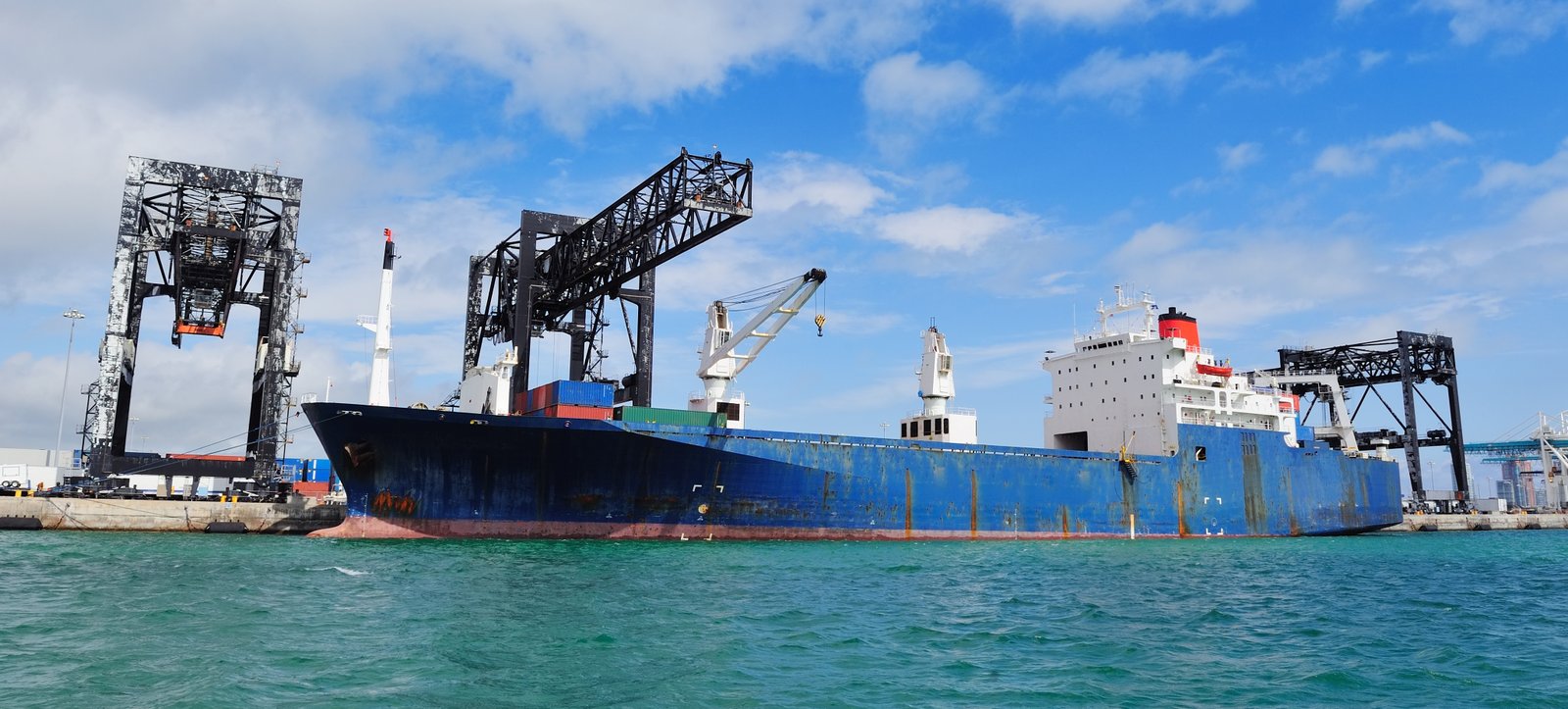
Understanding RM and DM marine fuel discussions
RM and DM discussions usually begin with how the fuel is described in contracts, bunker delivery documentation and recipient requirements. Prime Lab explains the grade context in practical language and confirms the report scope directly with the client.
Grade family context
RM and DM terms help buyers and vessel teams discuss marine fuel categories before confirming the exact requirement.
Document review first
Supplier certificates, bunker delivery notes and contract clauses are useful starting points for scope confirmation.
Recipient requirement controls scope
Class, flag, buyer, insurer or counterparty requirements must be reviewed before report wording is agreed.
Independent evidence
Third-party reporting helps create a neutral record when commercial decisions depend on fuel quality evidence.
Every testing or inspection request is reviewed against the product, sample location, intended report use and receiving-party requirement. Prime Lab confirms the suitable scope, report wording, logistics and turnaround directly before work begins.
Review quality and standards context or verify a Prime Lab report.
Information that helps Prime Lab respond clearly
Send the product or sample type, location, intended report use and deadline. If a buyer, authority, class, port, insurer, contract or QA team has written instructions, share them with Prime Lab before scope confirmation.
- Product or grade name as written in the contract or delivery document.
- Vessel, port, supplier or bunker delivery reference if relevant.
- Required recipient or report purpose.
- Deadline and sample logistics details.
Frequently Asked Questions
For exact test scope, authority requirements or report wording, contact the laboratory directly.